

7 Powerful Easy Night Care Routines for Skin Habits That Help You Wake Up Glowing and Confident
“This post contains affiliate links. I may earn a commission if you make a purchase, at no extra cost to you.”
Your skin does some of its most important repair work while you sleep, which is why good night care routines for skin can make such a big difference in how your face looks and feels the next morning. Nighttime skincare is not just about putting on a cute serum before bed. It is about removing everything your skin carried through the day, helping your barrier recover, and giving your products a better chance to work while you rest.
I learned this the real way, not just from reading skincare labels. I have worked with heavy makeup for haunted attractions, fashion shows, costume looks, photoshoots, concerts, festivals, and client transformations. Haunt makeup alone will teach you fast. Grease paint, cream color, stage blood, latex, adhesive, black liner, glitter, setting powder, and sweat do not come off with one lazy makeup wipe. I have had nights acting in haunt makeup where I came home with layers of character paint, fake blood around my hairline, waterproof liner, and a full face that had been under hot lights and fog machines for hours. I have also removed makeup from clients after haunt nights when their skin was already tired from long wear, sweating, and constant touch-ups.
Fashion shows taught me another side of skincare. At LIM College fashion-related events, runway-style presentations, styling projects, and photoshoot days, makeup needs to look polished under cameras and lights. That usually means primer, foundation, contour, powder, eyeshadow, liner, lip products, and sometimes shimmer or dramatic detail work. The makeup may look beautiful on the runway or in photos, but after the show, the skin needs calm, gentle care. The same goes for concerts and festivals. After long nights at places like rock concerts, K-pop shows, outdoor venues, and crowded festivals, your skin may be carrying sweat, sunscreen, pollution, glitter, hair spray, and foundation all at once.
That is why night care routines for skin matter so much. Your morning routine protects. Your night care routines for skin restore. The right evening habits can help improve hydration, support skin renewal, calm the barrier, and reduce the dull, tired look that happens after makeup-heavy days. This guide explains how to build effective night care routines for skin, how to customize it, what ingredients to use carefully, and how to avoid the mistakes that leave your face irritated instead of glowing.
Why Nighttime Is the Most Important Part of Your Skincare Routine
Your Skin Enters Repair Mode While You Sleep
Nighttime is when your skin has a chance to recover from the day. During the day, skin deals with makeup, sunscreen, sweat, weather, oil, dirt, and environmental stress. At night, the goal is to remove those layers and support the skin barrier so your face is not trying to repair itself under foundation residue, glitter, or clogged pores.
After a haunt night, I can feel the difference between a rushed cleanse and a real routine. If I remove the makeup properly, cleanse gently, moisturize, and let my skin calm down, I wake up looking more refreshed. If I skip steps because I am exhausted, my skin usually feels tight, dull, or congested the next morning.
Increased Overnight Cell Turnover
Your skin naturally renews itself over time, and consistent night care routines for skin can support that process. This is why ingredients like retinoids, gentle exfoliating acids, peptides, and barrier-supporting moisturizers are often used at night. You do not need every active ingredient at once, though. In my experience with heavy performance makeup, simple and consistent almost always beats aggressive and complicated.
Better Absorption of Skincare Products
At night, your products are not competing with makeup application, sun exposure, or daytime sweat as much. Once your skin is properly cleansed, serums and moisturizers can sit on the skin and work while you sleep. This is especially helpful after fashion show makeup, stage makeup, or festival glam because the skin may need hydration and calming more than anything.
How Sleep Quality Affects Skin Health
Even the best skincare routine cannot fully cover up poor sleep forever. When I have had late nights after concerts, fashion work, or haunt events, I notice puffiness, dullness, and uneven texture faster. Skincare helps, but sleep is part of the routine too. A calm bedtime routine, clean pillowcase, and enough rest can make your products work better.
The Ideal Night Care Routine for Skin Step by Step
Step 1: Remove Makeup and Sunscreen Thoroughly
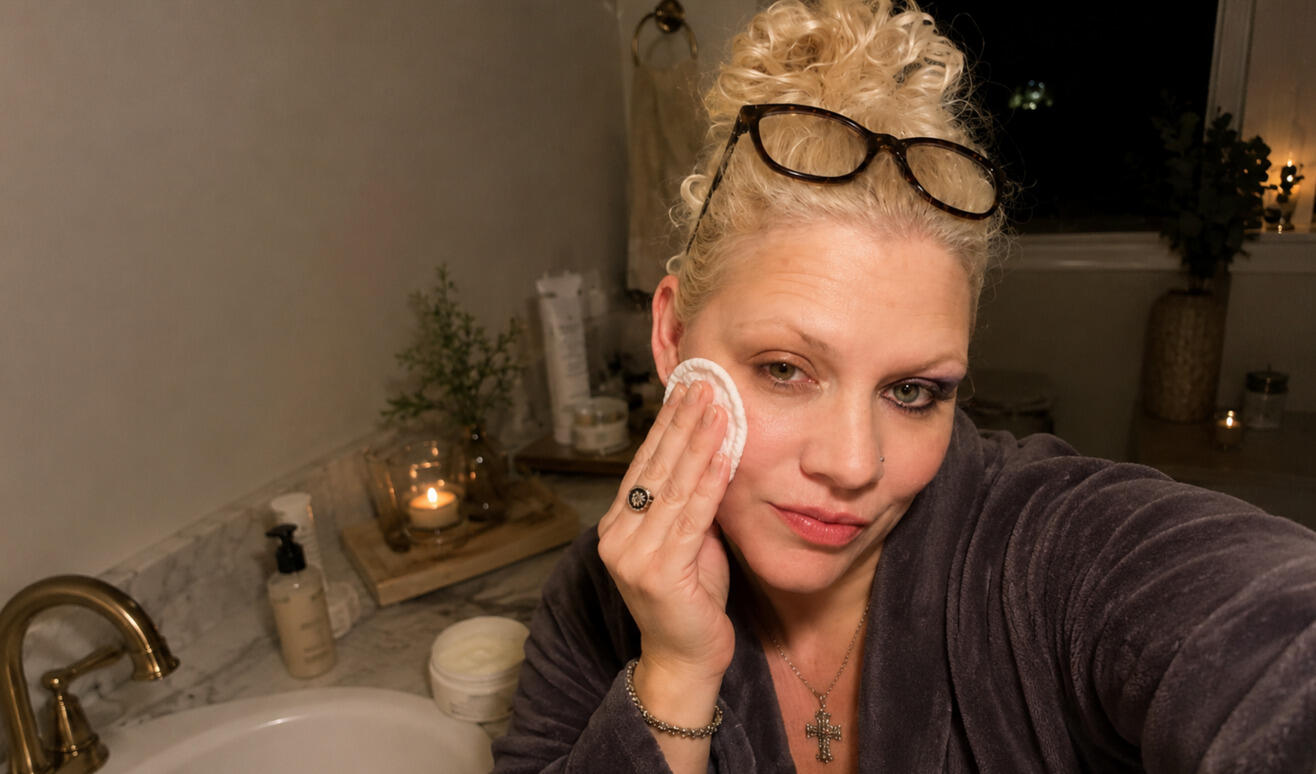
This is the step I take the most seriously because I have seen what happens when heavy makeup is not removed correctly. After haunt nights, I usually start with an oil-based cleanser, cleansing balm, or micellar water depending on what I used that day. For waterproof liner, lash glue, glitter, cream makeup, or stage blood, you need patience. Rubbing hard is not the answer. Let the cleanser break down the makeup first.
For daily makeup, sunscreen, or concert glam, start by removing the top layer before cleansing. Think of this as loosening the day from your face. Makeup wipes alone are usually not enough, especially if you wore long-wear foundation, SPF, setting spray, or waterproof mascara.
Step 2: Cleanse Away Dirt, Oil, and Pollution
After makeup removal, use a gentle cleanser to wash the actual skin. This is where a lot of people get confused. The first step removes makeup. The second step cleanses the skin. I learned this through years of removing makeup from myself and clients after performances, shows, and events. If you only remove the color but do not cleanse the skin, residue can stay behind.
Choose a gentle, non-stripping cleanser. Your skin should feel clean, not squeaky, tight, or burning.
Step 3: Apply Treatment Products
Treatment products include retinoids, acne treatments, dark spot serums, or exfoliating acids. Use these carefully. If your skin is irritated from stage makeup, adhesives, sweat, or over-cleansing, this may not be the night to use strong actives. On nights after heavy haunt makeup or festival glitter, I usually focus on calming and barrier repair instead of trying to do everything.
Step 4: Use Hydrating Serums
Hydrating serums are helpful when skin feels tired or dull. Hyaluronic acid, glycerin, and calming formulas can help the skin feel plumper and more comfortable. Apply hydrating products to slightly damp skin, then seal them with moisturizer.
Step 5: Moisturize to Lock in Hydration
Moisturizer is not optional just because you have oily skin. After removing makeup, cleansing, and applying treatments, your skin needs something to protect the barrier. I especially rely on moisturizer after long-wear makeup days because foundation, powder, and setting sprays can leave the skin feeling dry by the end of the night.
Step 6: Apply Eye Cream if Needed
Eye cream is helpful if your under-eyes are dry, puffy, or sensitive. After concerts or late fashion show nights, the eye area can look tired quickly. Use a small amount and do not rub. If you already use a gentle moisturizer that works well around your eyes, you may not need a separate eye cream.
Step 7: Use Overnight Treatments Strategically
Overnight masks, sleeping creams, and barrier balms can be great, but they should match what your skin needs. After a regular day, you may use a retinoid or gentle treatment. After a heavy makeup day, your best overnight treatment may be a rich moisturizer or barrier-repair cream.
How to Customize Your Night Routine Based on Skin Type
Night Routine for Oily Skin
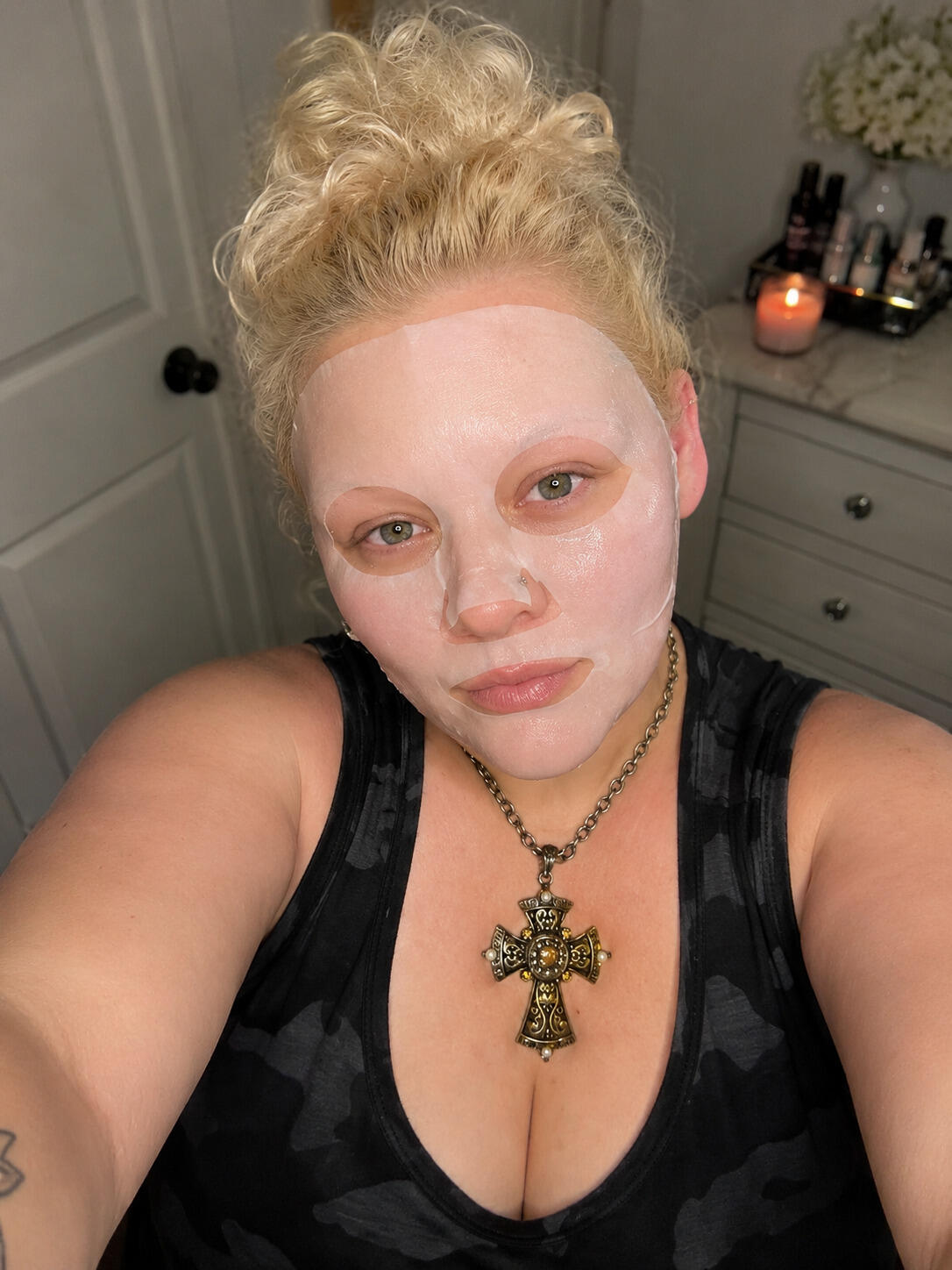
Oily skin still needs hydration. Use a lightweight gel cleanser, a balancing serum like niacinamide, and an oil-free or gel moisturizer. Avoid scrubbing aggressively because stripping the skin can make it feel even oilier.
Night Routine for Dry Skin
Dry skin needs gentle cleansing and richer moisturizers. Cream cleansers, hydrating serums, ceramides, and nourishing night creams can help. Avoid using strong exfoliants too often, especially if your skin already feels flaky or tight.
Night Routine for Combination Skin
Combination skin may need different care in different areas. Your T-zone may need a lighter product, while your cheeks may need extra moisture. This is common after makeup-heavy days because powder and foundation can cling to dry spots while oil builds up around the nose and forehead.
Night Routine for Sensitive Skin
Sensitive skin needs fewer products, less fragrance, and more consistency. Patch test new products and avoid adding several active ingredients at once. If your skin stings after every product, your barrier may need a break.
Night Routine for Acne-Prone Skin
Acne-prone skin benefits from a consistent routine, but harsh cleansing can make irritation worse. Use acne treatments carefully and avoid layering too many strong products. After heavy stage makeup or long-wear foundation, focus on complete removal, gentle cleansing, and non-comedogenic hydration.
The Best Ingredients to Use at Night
Hyaluronic Acid for Hydration
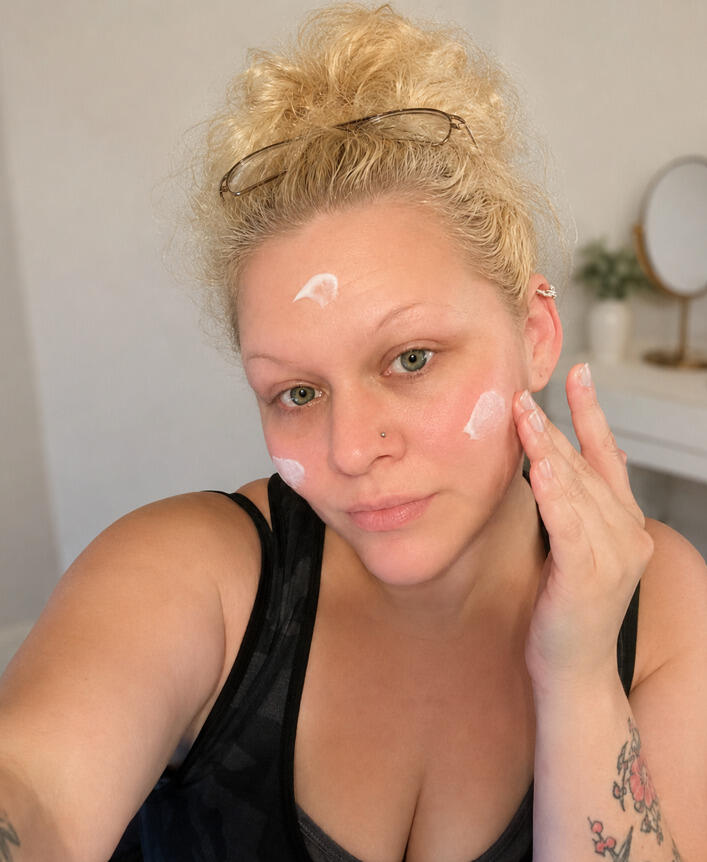
Hyaluronic acid helps attract moisture and can make the skin feel softer and more hydrated. It is a good option after concerts, festivals, or fashion show days when your skin feels dehydrated from heat, sweat, and makeup.
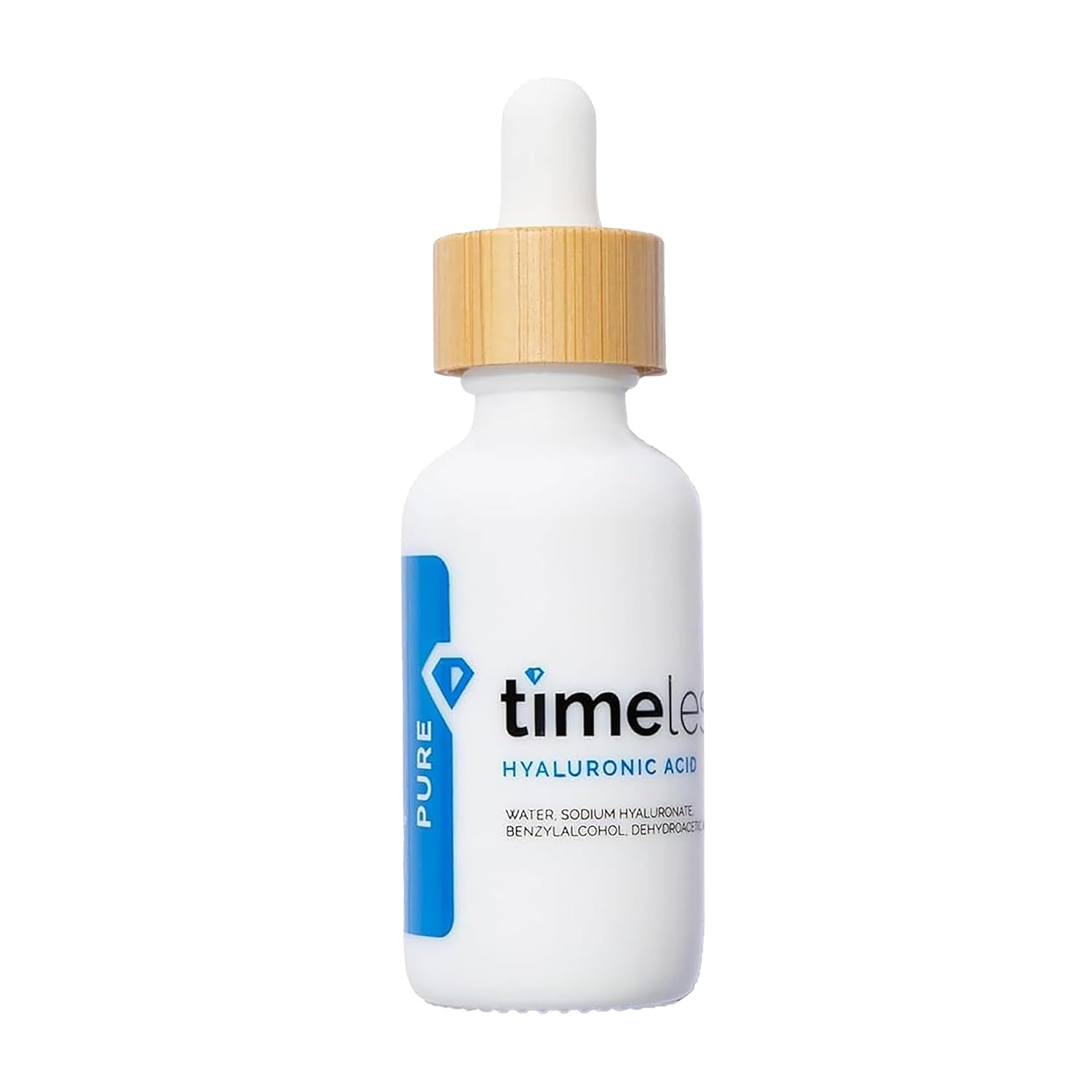
My go-to product right now is the Timeless Skin Care Hyaluronic Acid 100% Pure Serum on Amazon…it’s the real deal and 100% pure and makes my face feel fabulous. You can use the link below to try it for yourself with the 1oz for $9 or the 2oz for $12…
https://lasso.to/amazon/yH7rPbMbZZ
Retinoids for Skin Renewal
Retinoids can help with texture, mild acne, uneven tone, and signs of aging. They should usually be introduced slowly, especially if your skin is sensitive. I would not start retinoids on the same night you remove intense haunt makeup for the first time. Give your skin a calm night first.
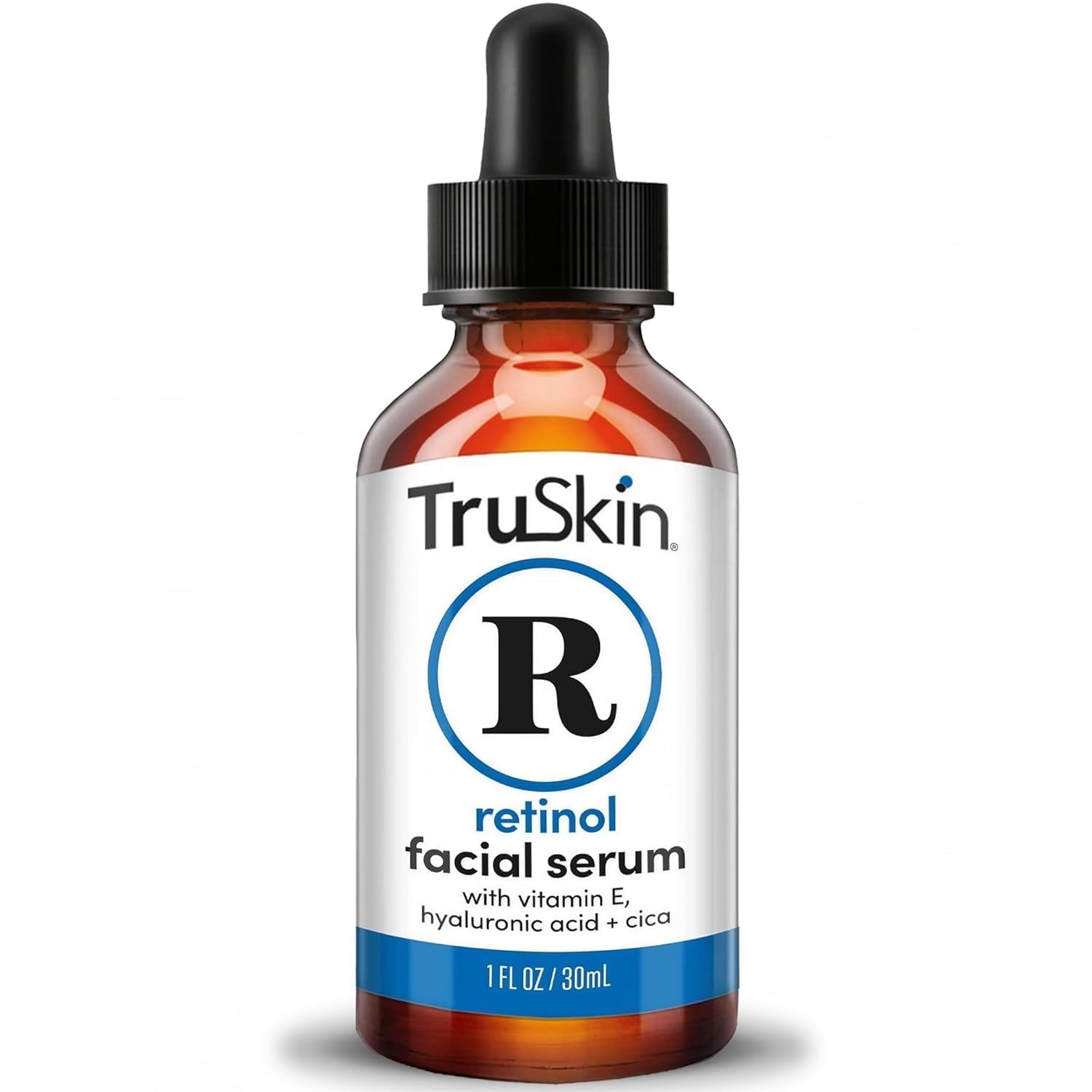
I have had problems with adult acne since turning 40 and the product that I have found to really help and clear up my skin and smooth out scars is the TruSkin Retinol Serum for Face. With almost 9k purchases on Amazon, I am not the only one apparently! It has 7 Ultra-hydrating ingredients that are great for any skin type. Right now its on sale for 20% off making it only $15 and you can use the link below to get it…
https://lasso.to/amazon/eGpaLiFy8K
Niacinamide for Balance
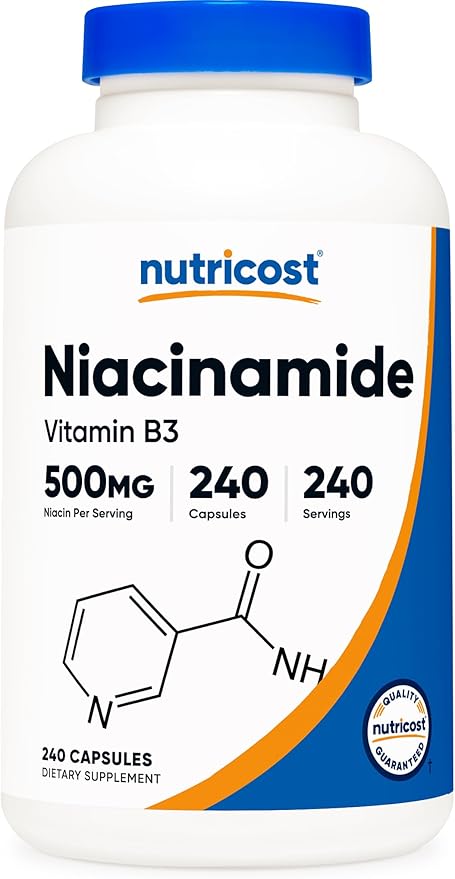
Niacinamide, also known as vitamin B3, is useful for balancing the look of oiliness, supporting the barrier, and helping with uneven skin tone. It works well for many skin types and is often easier to tolerate than stronger actives.
I take this in capsule form to make sure my body always has it in full supply daily. Take it twice a day at 500mg per capsule and your Golden! The brand I have used for almost 2 years has 20,000 sales and a 5-star rating. Nutricost Niacinamide is on sale for less than $12 right now at the link below…
https://lasso.to/amazon/JP4seUPnQB
Peptides for Skin Support
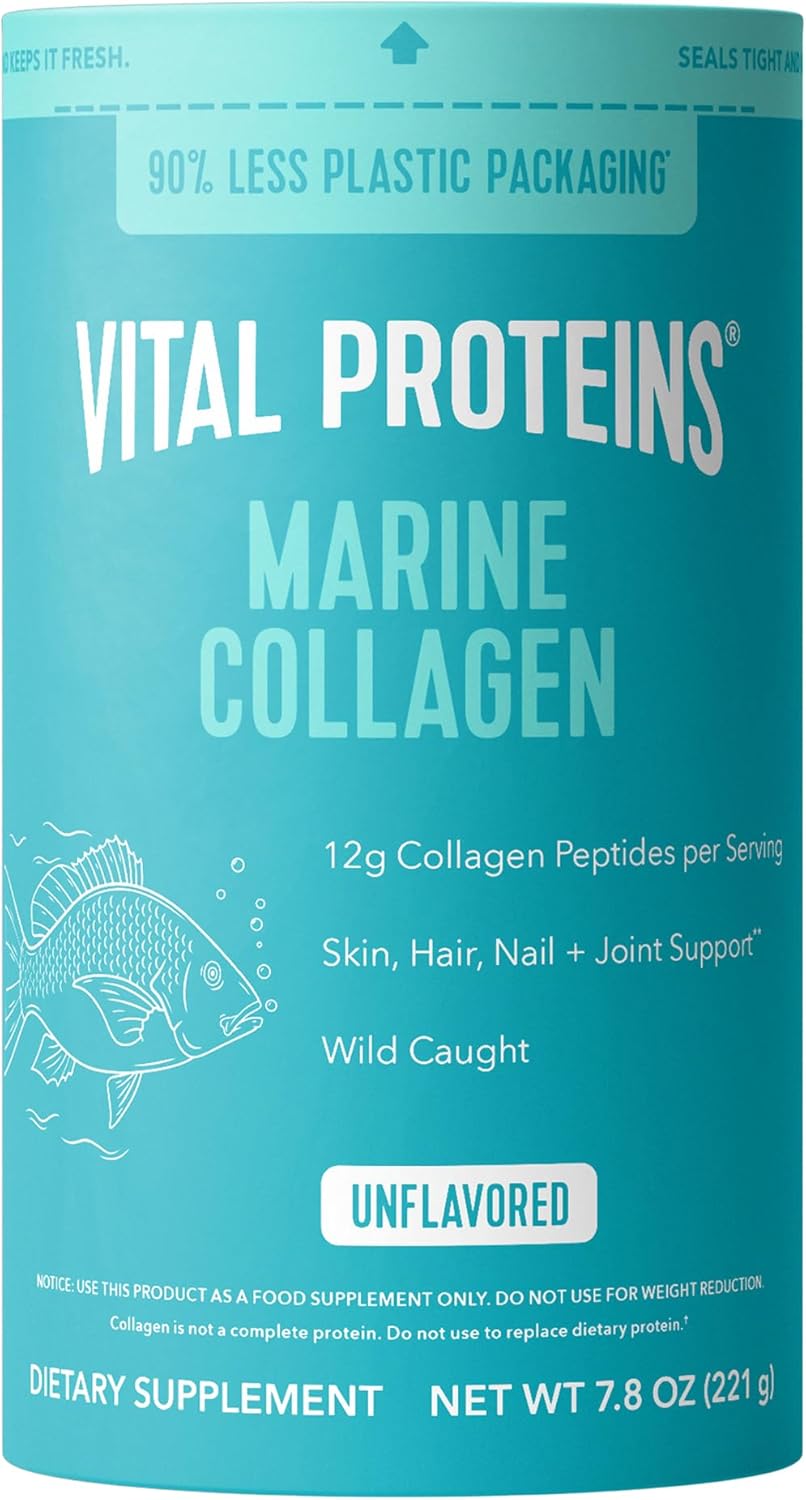
Peptides are often used in powders or nighttime products to support smoother, firmer-looking skin. They are a good choice when you want a gentle anti-aging step without overloading your face.
Peptides not only support skin, but also hair and nail growth so they are definitely a plus to add to your regime and I get the best results with the powder form by using it in my protein shakes I have for breakfast. I love Vital Proteins Marine Collagen Peptides Powder Supplement for Skin Hair Nail Joint, because its easy to add to my routine and the packaging uses 90% less plastic than others so its great for the environment and you can use the link below to get a huge 7.8oz canister for just $27…
https://lasso.to/amazon/OUjtnIvR2r
Ceramides for Barrier Repair
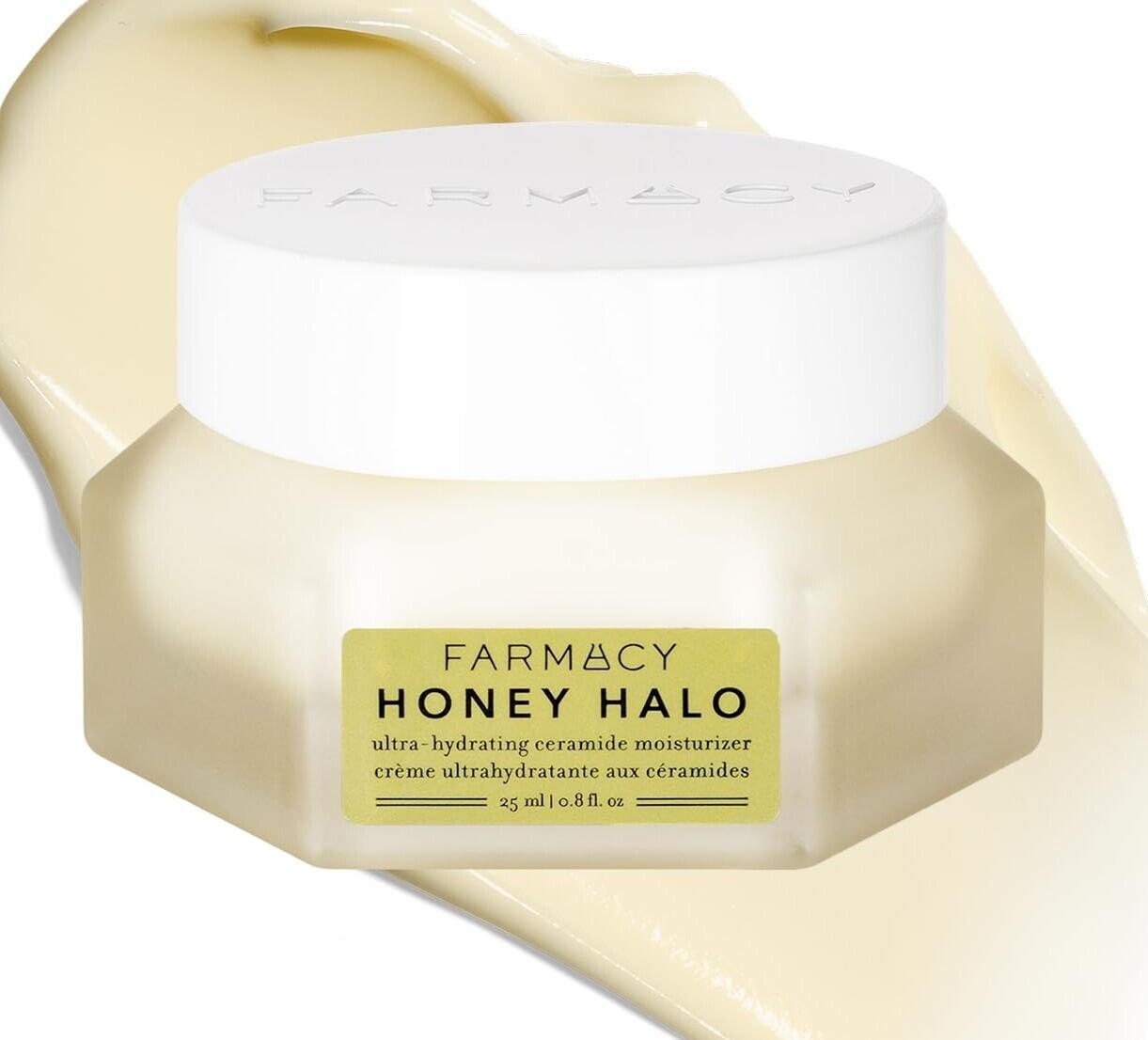
Ceramides are one of my favorite types of ingredients for skin that has been through a lot. If you have worn heavy makeup, adhesive, sunscreen, powder, or glitter all day, ceramides can help support the skin barrier and reduce that stripped feeling.
I love having one that adds plumpness back to my skin and has added honey for a dewy glow! The Farmacy Honey Halo I have used for almost a year now, and it makes my skin feel so new that I keep running back. Try it for $25 at the link below…
https://lasso.to/amazon/tqJekUnCik
AHAs and BHAs for Gentle Exfoliation
AHAs and BHAs can help with texture, clogged pores, and dullness, but they need to be used carefully. More exfoliation does not mean better skin. Overdoing it can lead to burning, peeling, redness, and breakouts.
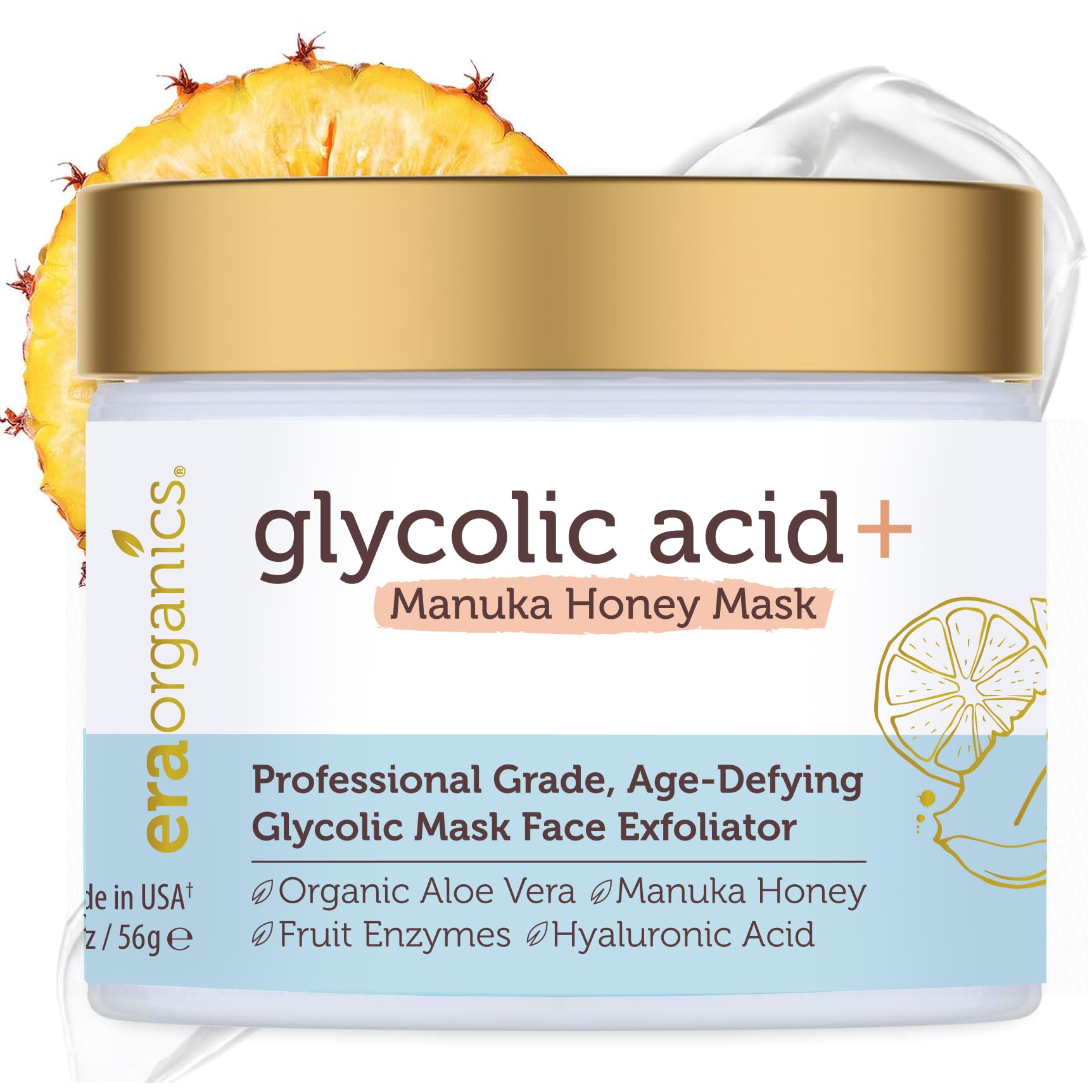
I only do the chemical peel once a week personally because I have sensitive skin, but you can use it up to 2 times per week if you prefer. I personally use Era Organics Age-Defying Glycolic Mask Face Exfoliator, and you can get it on Amazon for around $11 or get 10% off 2 products, and you can use the link below to find it!
https://lasso.to/amazon/nQ29DM12VQ
Nighttime Skincare Ingredients You Shouldn’t Mix
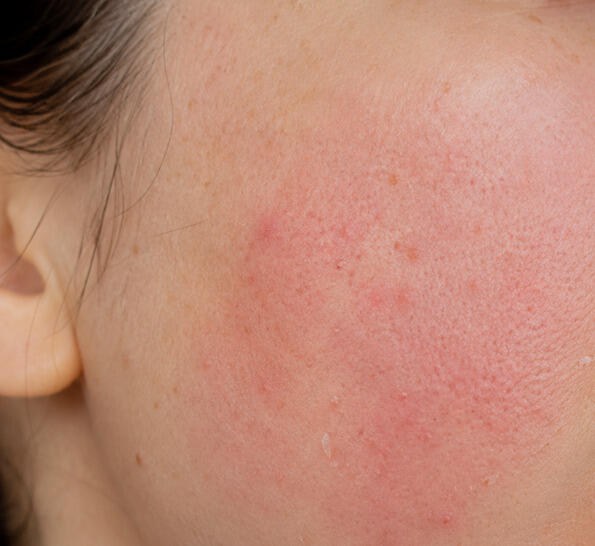
With the problems I have had with my skin as an adult and the breakouts since turning over 40, I have made the mistake of mixing the wrong skin care products, just desperate to find the correct treatment that would make the breakouts stop and go away. This resulted in awful rashes and burns, so please do not repeat my mistakes and follow all product directions carefully. Here are some no-no’s to remember.
Retinol and Strong Exfoliating Acids
Retinol and strong acids can both be useful, but using them together can be too much for many people. If your skin is new to actives, alternate nights instead of layering them.
Multiple Active Ingredients at Once
A common mistake is using a retinoid, exfoliating acid, acne treatment, brightening serum, and strong toner all in one routine. Your skin does not need to be attacked to improve. This is especially true after events where your skin has already been through sweat, makeup, and long hours.
Over-Exfoliation Risks
Over-exfoliation can make the skin look shiny in a bad way, feel tight, sting when products touch it, or break out more. If that happens, stop the strong products and return to a gentle cleanser, moisturizer, and sunscreen during the day.
How to Alternate Products Safely
A simple schedule works best. You might use retinoid one night, exfoliation another night, and barrier repair on the nights between. After haunt makeup, fashion shows, or festival glam, choose a recovery night.
Signs Your Night Care Routine Is Actually Working
Improved Hydration Levels
Your skin should feel more comfortable, less tight, and less flaky. You may notice your face looks fresher in the morning.
Smoother Skin Texture
Over time, a good routine can help makeup apply more evenly. As someone who has worked with makeup for performances and fashion looks, I can tell when skin has been cared for. Foundation sits better on hydrated skin.
Reduced Breakouts
If your routine is working, you may notice fewer clogged pores and less congestion. This is especially important if you wear heavy makeup for events or work.
More Even Skin Tone
Consistent nighttime care can help dullness and uneven tone look better over time. This does not happen overnight, but it builds with regular habits.
Better Makeup Application During the Day
Healthy skin makes makeup easier. Whether it is daily makeup, fashion show glam, or a concert look, products blend better when the skin underneath is clean, moisturized, and balanced.
The Biggest Night Care Routines for Skin Mistakes to Avoid
Sleeping With Makeup On
This is the biggest one. I understand being tired after a concert, festival, fashion event, or haunt night, but sleeping in makeup is never worth it. Even if you only do the basics, remove makeup, cleanse, and moisturize.
Using Too Many Products
A long routine is not automatically a better routine. Too many products can irritate your skin and make it hard to know what is actually working.
Skipping Moisturizer
Some people skip moisturizer because they are oily or acne-prone, but moisturizer helps protect the barrier. Choose the right texture for your skin type instead of skipping it completely.
Changing Products Too Frequently
Skin needs time. If you change everything every few days, you may never know what helped or what caused irritation.
Ignoring Your Skin Barrier
Your barrier is what helps your skin stay calm, hydrated, and protected. If your skin is burning, peeling, stinging, or suddenly breaking out, simplify your routine.
How Your Evening Habits Affect Your Skin Overnight
Sleep Position and Skin Health
Sleeping with your face pressed into a dirty pillowcase can transfer oil, hair products, and bacteria onto your skin. Try changing pillowcases regularly, especially after wearing heavy hair products or stage makeup.
The Impact of Stress on Skin Recovery
Stress can show up on the skin. Late nights, school deadlines, event work, motherhood, business responsibilities, and long work days can all affect how rested your skin looks. A calming routine can become more than skincare. It can be a small reset.
Hydration Before Bed
Drinking water supports overall health, but do not rely on water alone to fix dry skin. Hydration inside and moisturizer outside work together.
Bedroom Environment and Skin Quality
A dry, hot room can make skin feel tighter by morning. If your skin gets dry overnight, consider a humidifier, lighter bedding, or a richer moisturizer.
Beauty Sleep Habits That Complement Your Skincare Routine
Silk Pillowcases and Skin Benefits
Silk or satin pillowcases can feel gentler on the skin and hair. They are not magic, but they can reduce friction, especially if your skin is sensitive.
Sleeping With Clean Hair
Hair products, oils, and hairspray can transfer onto your face. After concerts, fashion shows, or haunt nights, clean hair or at least keeping hair off your face can help.
Maintaining a Consistent Sleep Schedule
A consistent sleep schedule supports your whole body, including your skin. Late nights happen, but your skin appreciates routine.
Managing Blue Light Exposure Before Bed
Scrolling for hours before bed can keep you awake longer. Less sleep often means puffier, duller skin the next morning. Try giving yourself a short no-phone window before sleep.
How Night Care Needs Change With Age
Skincare Priorities in Your 20s
In your 20s, focus on cleansing, moisturizing, sunscreen in the morning, and preventing damage. If acne or texture is a concern, gentle actives may help.
Skincare Priorities in Your 30s
In your 30s, hydration, barrier care, retinoids, and consistent routines become more important. This is often when people start noticing dullness, fine lines, and dryness.
Skincare Priorities in Your 40s and Beyond
In your 40s and beyond, skin may need richer moisture, more barrier support, and targeted ingredients for texture, firmness, and tone. Gentle consistency matters more than harsh treatments.
How Long Does It Take to See Results From Night Care Routines for skin?
What Changes You May Notice in One Week
In one week, you may notice softer skin, less tightness, and better morning hydration. If you were sleeping in makeup before, simply removing it properly can make a fast difference.
What to Expect After One Month
After a month, texture, dullness, and breakouts may start improving. Your makeup may apply more smoothly, and your skin may feel more balanced.
Long-Term Skin Benefits
Long-term, a consistent night care routine for skin can support healthier-looking skin, a stronger barrier, smoother texture, and more even tone. The results come from repeating the basics, not chasing every trend.
Final Thoughts
A well-designed night care routine for skin supports your skin’s natural repair and recovery process. You do not need a bathroom full of expensive products to see results. You need the right steps, the right ingredients for your skin type, and the discipline to remove the day before going to bed.
From haunt makeup and stage blood to fashion show glam, concert sweat, festival glitter, and client transformations, I have learned that skin remembers how you treat it after the makeup comes off. The glow starts at night. Cleanse gently, treat carefully, moisturize consistently, and protect your barrier. Those small bedtime habits can help you wake up with smoother, healthier, more radiant-looking skin.
FAQs
Should I change my night care routine during travel?
Yes, but keep it simple. Travel can expose your skin to dry air, schedule changes, sweat, and different climates. Bring a gentle cleanser, moisturizer, sunscreen for daytime, and one trusted treatment product if your skin tolerates it.
Can sleeping in a warm room affect my skin overnight?
Yes. A warm or dry room can make skin feel dehydrated by morning. If you wake up tight or flaky, try a richer moisturizer, a humidifier, or a cooler sleeping environment.
What should I do if my skin feels tight after my night Care routines for skin?
Tight skin usually means your routine may be too drying. Switch to a gentler cleanser, avoid over-exfoliating, and add a barrier-supporting moisturizer. If your skin burns or peels, pause strong actives.
Should I apply skincare immediately after washing my face at night?
Yes, most hydrating products work well when applied soon after cleansing while the skin is slightly damp. Then apply moisturizer to help lock in hydration.
For a great article on budget beauty brushes, click this link: https://ikoniqstyle.com/best-budget-makeup-brushes/




Great content! Keep up the good work!
Thank you so much!!! 🙏🏻😊